

Conceptual photography is a form of art that transcends the mere capturing of reality through the camera lens. It involves deep thinking, planning, and execution to convey an idea or concept visually. This type of photography does not simply document the world around us; it interprets and transforms it to express complex thoughts, feelings, and messages.
Origins and Historical Context
Definition of Conceptual Photography
Conceptual photography is a genre where the primary focus is on the concept or idea rather than the aesthetic qualities of the image. Here, photographers use their creativity and technical skills to create visual representations of specific ideas that can be abstract, philosophical, or socially significant.
History and Development of Conceptual Photography
The history of conceptual photography can be traced back to the early 20th century when photographers like Man Ray and László Moholy-Nagy began experimenting with new techniques and approaches that emphasized the concept and meaning behind the image. Over the years, this style has evolved and enriched, incorporating influences from fine arts, literature, and philosophy.
Significance of Conceptual Photography
Conceptual photography plays a vital role in contemporary art, offering a unique opportunity for expression and communication. It allows photographers to explore complex themes and ideas that would otherwise be difficult to convey through traditional methods. Moreover, conceptual photography influences other forms of visual art, such as painting, sculpture, and cinema, by enriching them with new perspectives and techniques.

1. Ideas and Concepts
Generating Ideas
Generating ideas is fundamental to conceptual photography. It requires openness to new experiences, curiosity, and willingness to experiment. Here are some methods that can help in this process.
Sources of Inspiration
Inspiration can come from various sources—nature, everyday life, books, music, films, and even personal experiences. It’s important to be attentive observers and seek inspiration in everything around us.
Techniques for Brainstorming
Brainstorming is a technique that helps generate multiple ideas in a short period. This can be done through free writing, drawing, or discussions with others. The goal is to create a flow of ideas without censoring or evaluating them beforehand.
Keeping an Idea Journal
Keeping an idea journal is an excellent way to store and organize creative impulses. This journal can contain sketches, notes, photos, and any other materials that can serve as starting points for future projects.
Developing a Concept
After having a set of ideas, the next step is to develop one into a concept. This involves turning the idea into a clear and structured vision that can be realized through photography.
Transforming an Idea into a Concept
Transforming an idea into a concept requires clearly defining the purpose and message of the project. This may involve asking questions like “What do I want to say?” and “How can I make it visually appealing?”.
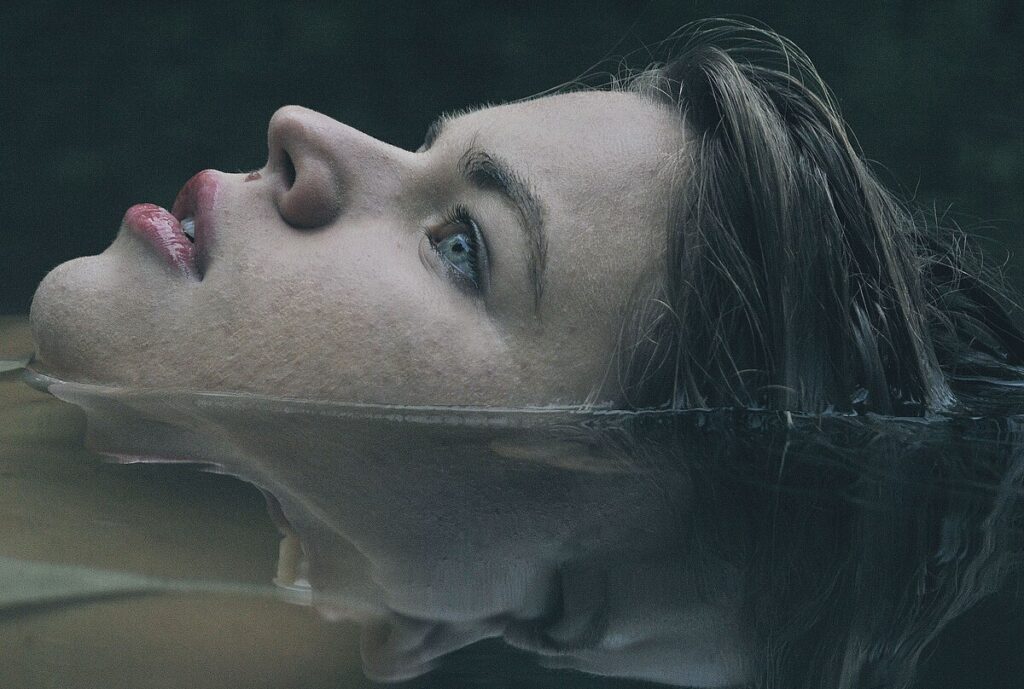
Creating a Story or Narrative
One way to develop a concept is by creating a story or narrative. This can be a personal story, allegory, or even a fictional world that the photographer wants to present. Stories add depth and context to the concept.
Importance of Context
Context plays a crucial role in conceptual photography. It sets the frame within which the viewer perceives the image and can add additional layers of meaning and interpretation. Context can be historical, cultural, social, or even personal.

2. Planning and Preparation
Planning and preparation are critical stages in the process of creating conceptual photography. They include research, gathering resources, and creating a scenario that will guide the execution of the project.
Research and Preparation
Before starting the shoot, it’s essential to conduct thorough research on the subject you want to present. This will help you understand the context better and identify key elements to include in the frames.
Probing the Subject
Researching the subject may involve reading books, articles, and other materials related to your concept. This will give you a better understanding of different aspects of the topic and help you formulate more precise ideas.
Collecting References and Materials
Collecting references and materials is an important stage in preparation. This can include photographs, drawings, texts, and other visual materials that will inspire and guide you in the creation process.
Organizing Resources
Organizing resources is key to successfully executing the project. This includes securing necessary equipment, finding suitable locations, and coordinating participants if the project requires models or other people.
Creating a Scenario
A scenario is a document that describes all aspects of your project—from the initial idea to the final shots. It serves as a guide for you and your team and helps coordinate and synchronize different stages of work.
Scenario Development
Scenario development involves detailed descriptions of each scene you want to capture. This can include dialogues, actions, and descriptions of the setting and characters.
Sketching and Storyboarding
Sketching and creating a storyboard are essential tools for visualizing the scenario. A storyboard represents a series of sketches or photos that show the sequence of shots and help better understand composition and dynamics of scenes.
Identifying Key Shots
Identifying key shots is an important stage in creating a scenario. Key shots are those that best convey the main idea and message of the project. They serve as reference points for the photographer and help him focus on the most important aspects of the concept.
3. Technical Aspects
Technical aspects of conceptual photography involve using appropriate equipment and techniques to achieve desired results. They are crucial for the quality execution of the project.
Equipment and Tools
Choosing the right equipment and tools is key to the success of conceptual photography. This includes cameras, lenses, lighting, and software for processing images.
Cameras and Lenses
Cameras and lenses are the primary tools of the photographer. The choice of the right camera depends on the type of project and the photographer’s preferences. Lenses also play a significant role, offering different possibilities for composition and perspective.
Lighting and Lighting Techniques
Lighting is one of the most important aspects of photography. Proper lighting can highlight certain elements and create the desired atmosphere. Lighting techniques include using natural light, studio lighting, and various light modifiers.
Software for Processing Images
Software for processing images is necessary for finalizing the shots and achieving the desired visual effect. Popular programs include Adobe Photoshop and Lightroom, which offer a wide range of editing tools.
Shooting Techniques
Shooting techniques involve different approaches and methods for capturing images that can help achieve desired visual effects.
Composition and Perspective
Composition and perspective are fundamental elements of photography. They determine how objects are arranged in the frame and how the viewer perceives the image. Proper composition and perspective can emphasize certain elements and create a sense of depth and space.
Use of Light and Shadow
Light and shadow are powerful tools for creating mood and atmosphere in the frame. Controlled use of light and shadow allows the photographer to highlight certain elements and create dramatic effects.
Working with Different Formats and Media
Working with different formats and media allows the photographer to experiment and find the most suitable way to present his concept. This can include using analog and digital technologies, as well as various print and digital media.
4. Achieving Visual Language
Visual language is a key component of conceptual photography. It involves using symbols, metaphors, and colors to convey ideas and messages.
Symbolism and Metaphors
Symbols and metaphors are powerful tools for conveying complex ideas and concepts. They allow the photographer to express abstract notions through visual means.
Using Symbols
Symbols are universal signs that convey specific meanings and associations. They can be used to emphasize certain ideas and create connections between different elements in the frame.
Metaphorical Elements
Metaphors are figures of speech that compare two different objects or ideas to highlight their similarities. In conceptual photography, metaphors can be used to create strong visual associations and convey complex messages.
Abstract and Concrete Images
Abstract and concrete images play an important role in conceptual photography. Abstract images are less defined and leave more room for interpretation, while concrete images are clearer and easily recognizable.
Color and Contrast
Color and contrast are fundamental elements of visual language that can emphasize certain aspects of the concept and create the desired atmosphere.

Psychology of Colors
The psychology of colors studies how different colors influence human emotions and perceptions. Understanding color psychology can help the photographer choose the most appropriate colors to convey his message.
Contrast and Harmony
Contrast and harmony are important aspects of color theory. Contrast highlights differences between various elements in the frame, while harmony creates a sense of balance and unity.
Monochrome vs. Color Photography
Monochrome and color photography offer different possibilities for expression. Monochrome photography focuses on tones and textures, while color photography uses the richness of colors to convey emotions and moods.
5. Processing and Editing
Processing and editing the images are the final stages in the process of creating conceptual photography. They include correcting exposure, retouching, and adding special effects.
Basic Editing Techniques
Basic editing techniques include correcting exposure, white balance, brightness, contrast, shadows, and highlights. These settings allow the photographer to improve the quality of the image and emphasize certain elements.
Exposure Correction and White Balance Adjustment
Exposure correction ensures that the image is properly lit, while white balance adjustment determines the color temperature of the light in the frame. Correcting these settings can significantly enhance the overall perception of the photo.
White balance is one of the most important settings in image processing. It determines the color of light in the frame and can significantly affect the overall perception of the photo. Adjusting white balance can help achieve more realistic colors or create specific moods and atmospheres.
In addition to white balance, other basic settings include brightness, contrast, shadows, and highlights adjustments. These settings allow photographers to improve image quality and emphasize certain elements.
Retouching and Defect Removal
Retouching is the process of removing unwanted elements and defects from an image. This may include removing dust, spots, wrinkles, and other imperfections. Retouching requires attention to detail and a good knowledge of image editing software.
Adding Effects and Filters
Adding effects and filters is a way to enhance the visual impact of an image. This may involve applying black-and-white filters, vintage effects, gradients, and other artistic techniques. Effects and filters can give a unique style to the photo and highlight certain aspects of the concept.
Image Editing Software
Choosing the right image editing software is crucial for high-quality editing. Some of the most popular programs include:
Adobe Photoshop and Lightroom
Adobe Photoshop and Lightroom are two of the most widely used image editing programs. Photoshop offers a wide range of tools for editing and manipulating images, while Lightroom specializes in managing and processing large collections of photos.
Other Popular Programs
Other popular editing programs include GIMP, Capture One, and Affinity Photo. Each of these software packages offers different features and tools that can be useful depending on the photographer’s needs.
Online Tools and Apps
Online tools and apps offer convenience and accessibility for quick image processing. Apps like Snapseed, VSCO, and Pixlr provide a variety of filters and effects that can be applied directly on mobile devices.
6. Presentation and Sharing
Presentation and sharing of conceptual photography are the final stages in the creation process. They include preparation for exhibitions, online platforms, and social media.
Preparation for Exhibition
Preparing for an exhibition requires careful planning and organization. This includes selecting a suitable venue, framing and mounting the works, as well as marketing and promotion
Selecting a Suitable Venue
Choosing the right venue for an exhibition is crucial for successfully presenting conceptual photography. The venue should be convenient for visitors and offer a suitable atmosphere for displaying the works.
Framing and Mounting
Framing and mounting the works are important for the professional presentation of photographs. Frames should be chosen carefully to complement and enhance the images. Mounting should be stable and secure to ensure the safety of the works.
Marketing and Promotion
Marketing and promotion are key to attracting an audience to the exhibition. This may include creating promotional materials, posting messages on social media and media outlets, as well as organizing opening events and presentations.
Online Platforms
Online platforms offer excellent opportunities for sharing and promoting conceptual photography. They include websites, blogs, and specialized photography platforms.
Websites and Blogs
Websites and blogs are an excellent way to showcase a portfolio and share creative projects. They allow photographers to control the content and design of the page and reach a wider audience.
Social Media
Social media platforms such as Instagram, Facebook, and Pinterest offer powerful tools for sharing and promoting photographs. They allow photographers to interact directly with their audience and receive real-time feedback.
Photography Forums and Communities
Photography forums and communities are places where photographers can exchange experiences, receive critiques, and learn new techniques. They offer opportunities to participate in contests and challenges that can stimulate creativity and aid in the photographer’s development.
Summary of Key Principles
Conceptual photography is a complex and multifaceted genre that requires a combination of technical skills, creativity, and a deep understanding of visual language. Key principles include idea generation, concept development, planning and preparation, technical aspects, achieving visual language, processing and editing, as well as presentation and sharing.
The Importance of Persistence and Practice
Persistence and practice are key to developing conceptual photography. They allow photographers to refine their skills, experiment with new techniques, and find their unique style. Practice also helps overcome challenges and achieve a higher level of mastery.
The Future of Conceptual Photography
The future of conceptual photography is bright and promising. New technologies and trends continuously expand the possibilities for expressing and presenting ideas. Virtual reality, augmented reality, and other innovations offer new ways to interact with audiences and create captivating visual experiences.
Personal Contributions to the Development of the Genre
Each photographer can contribute to the development of the genre with their unique ideas, techniques, and perspectives, thereby enriching and advancing conceptual photography as a whole.